


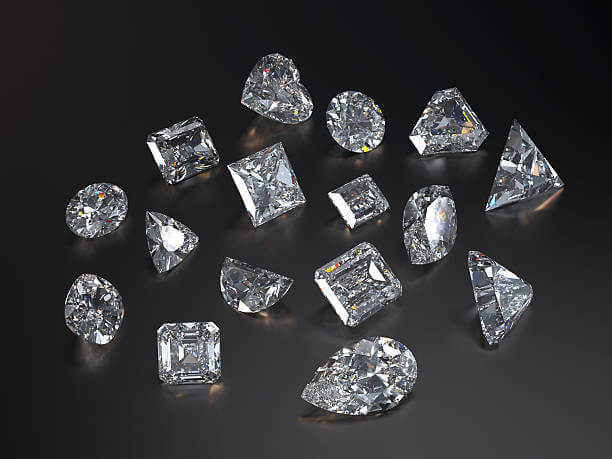
Lab grown diamonds have revolutionised the jewellery industry, offering an ethical, eco-conscious alternative to mined diamonds. Among the most widely used methods for creating these stunning gems are CVD (Chemical Vapour Deposition) and HPHT (High Pressure High Temperature). Though both processes result in real diamonds with the same physical, chemical, and optical properties as natural diamonds, they differ significantly in how they’re made and the characteristics they offer.
In this article, we’ll break down the CVD vs HPHT debate, helping you understand which type of lab grown diamond might be right for your needs—whether you’re shopping for an engagement ring or simply curious about diamond technology.
What Are Lab Grown Diamonds?
Before diving into CVD vs HPHT, it’s important to clarify what lab grown diamonds are. Unlike diamond simulants like moissanite or cubic zirconia, lab grown diamonds are real diamonds. They are made in controlled laboratory settings but share the same atomic structure and sparkle as mined diamonds. The key advantage? They’re conflict-free, environmentally friendly, and often more affordable.
CVD (Chemical Vapour Deposition): How It Works
CVD diamonds are created using a carbon-rich gas, typically methane, in a vacuum chamber. The process works as follows:
- A thin diamond seed is placed in a sealed chamber.
- The chamber is filled with carbon gases and heated to around 800°C.
- The carbon atoms break apart and attach themselves to the diamond seed.
- Over a few weeks, layer layer, a rough diamond crystal is formed.
Key Features of CVD Diamonds:
- Better Control Over Quality: CVD allows more precision in growing conditions, which can produce diamonds with fewer metallic inclusions.
- Type IIA Purity: Most CVD diamonds are Type IIA—meaning they’re the purest form of diamond, free from nitrogen impurities.
- Post-Growth Treatment: Many CVD diamonds undergo HPHT treatment to enhance their colour from brownish tones to near colourless grades.
HPHT (High Pressure High Temperature): How It Works
- The HPHT process mimics the natural diamond formation that occurs deep within the Earth. Here’s how it works:
- A diamond seed is placed in carbon and subjected to extreme conditions—high pressure (up to 1.5 million psi) and high temperature (over 1,500°C).
- The carbon melts and crystallises around the seed, forming a diamond.
- After cooling, the rough diamond is ready for cutting and polishing.
Key Features of HPHT Diamonds:
- Faster Growth: HPHT can produce diamonds more quickly than CVD.
- Greater Colour Range: HPHT diamonds are often more colour-saturated, including vivid yellows and blues.
- Metallic Inclusions: Due to the metal flux used, HPHT diamonds may have metallic inclusions, making them slightly more detectable under magnification.
Visual Differences
To the naked eye, both CVD and HPHT diamonds are virtually indistinguishable from mined diamonds and from each other. It takes sophisticated gemological tools to detect the subtle growth patterns or inclusions that identify a diamond’s origin.
Some CVD diamonds may show strain lines or slight graining, while HPHT diamonds may have a metallic fluorescence under certain light conditions. However, these differences are microscopic and do not affect the brilliance or sparkle of the stone.
Which Is Better: CVD or HPHT?
There’s no definitive answer—CVD vs HPHT is not a battle of which is better, but which is better for you.
Choose CVD diamonds if:
- You value purity (Type IIA)
- You want a budget-friendly diamond
- You’re seeking a stone with minimal metallic inclusions
Choose HPHT diamonds if:
- You want a diamond with higher colour saturation
- You’re looking for a diamond that’s colourless without needing enhancement
- You’re interested in fancy-coloured lab diamonds
Both types are 100% real diamonds and come certified reputable gem labs like IGI or GIA. What matters most is that you choose a diamond that fits your values, aesthetic preferences, and budget.
Certification and Authenticity
Whether you opt for CVD or HPHT, always ask for a diamond grading report from a trusted gemological institute. These reports will indicate not only the 4Cs (cut, colour, clarity, and carat) but also whether the diamond was grown using CVD or HPHT methods. This ensures transparency and helps you make an informed decision.
Conclusion
In the world of lab grown diamonds, CVD and HPHT represent two innovative paths to creating brilliance, durability, and beauty. While their processes differ, both produce diamonds that rival the finest mined gems—without the ethical and environmental cost.
Understanding the differences between CVD vs HPHT diamonds empowers you to choose a stone that aligns with your priorities. Whether it’s the purity of CVD or the natural clarity of HPHT, lab grown diamonds are a testament to how far technology has come in crafting beauty without compromise.